Video Tutorials
Learn with our curated video tutorials. Each video comes with quizzes to test your understanding.
Wave Interactions
Waves are disturbances that transfer energy from one place to another without transferring matter. When waves meet or pass through different materials, they can interact in several ways. These interactions include reflection, refraction, diffraction, and interference.
Grade 7Science
10 Q
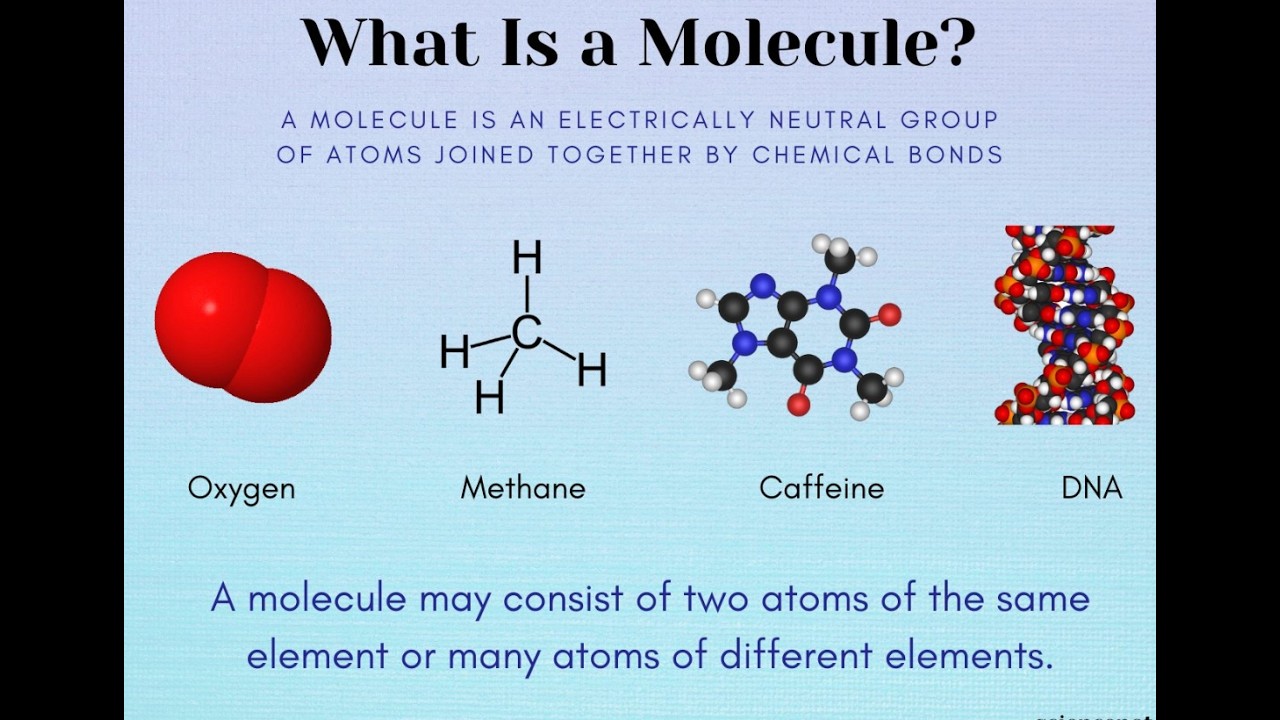
Molecules
A molecule is a group of two or more atoms that are chemically bonded to form a pure substance. Water is the only substance on Earth naturally found in all three physical states.
Grade 8Science
1 Q
Climate Change
Climate change is the general change in temperature, rainfall, wind, and other climatic patterns over a period of time. Climate change may be due to natural internal processes or external forcings such as modulations of the solar cycles, volcanic eruptions and persistent anthropogenic changes in the composition of the atmosphere or in land use.
Grade 8Science
1 Q

Food Web
A food web shows how different food chains are connected within an ecosystem. Unlike a simple food chain, which follows one path of energy flow, a food web shows multiple pathways. This means one organism can be part of several food chains at the same time.
Grade 6Science
4 Q
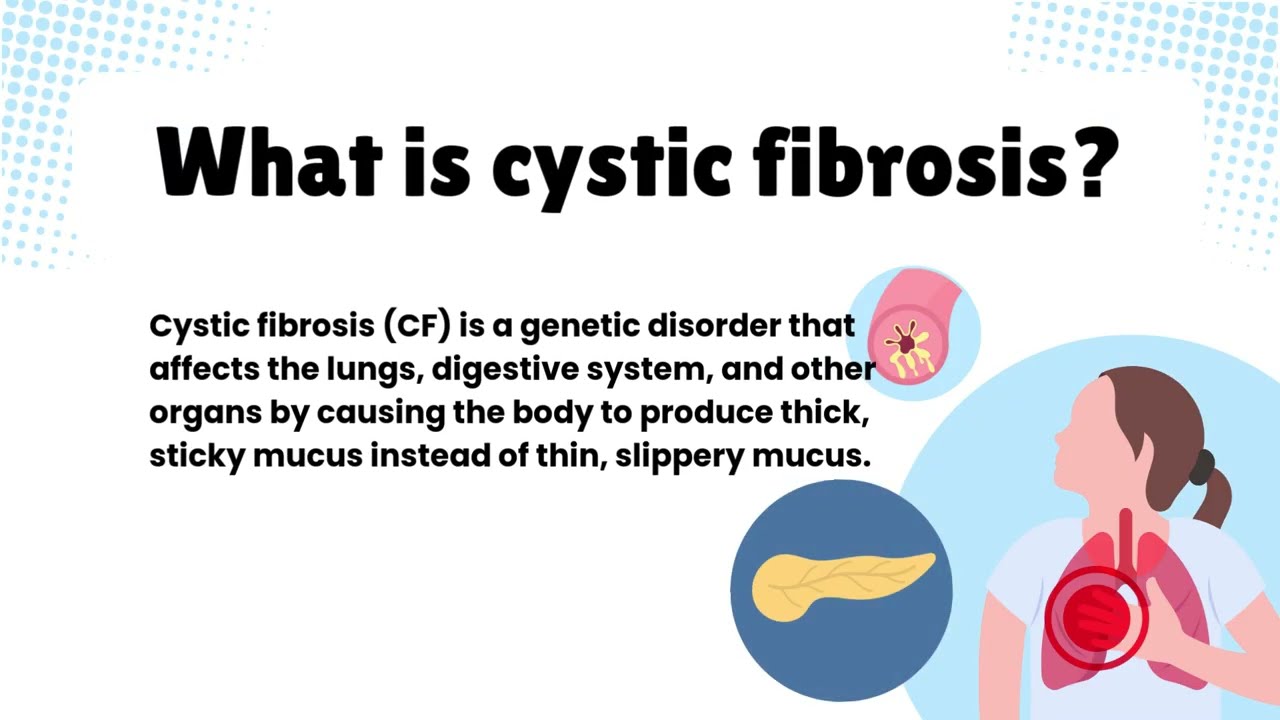
Cystic Fibrosis
Cystic Fibrosis/ Genetic Disorder Disease Cystic fibrosis (CF) is a genetic disorder that affects the lungs, digestive system, and other organs by causing the body to produce thick, sticky mucus instead of thin, slippery mucus. What causes it? CF is caused by a mutation in the CFTR gene, which controls how salt and water move in and out of cells. When this gene doesn’t work properly, mucus becomes thick and blocks airways and ducts. How does it affect the body? Lungs: Thick mucus traps bacteria → frequent lung infections, coughing, and breathing problems. Digestive system: Mucus blocks enzymes from reaching the intestines → poor digestion and difficulty gaining weight. Sweat glands: Sweat becomes unusually salty. Is it inherited? Yes. CF is an autosomal recessive condition, meaning a child must inherit the faulty gene from both parents to have the disease. Is there a cure? There is no cure, but modern treatments (medications, airway clearance, enzyme supplements) help people with CF live longer and healthier lives.
Grade 8Science
4 Q
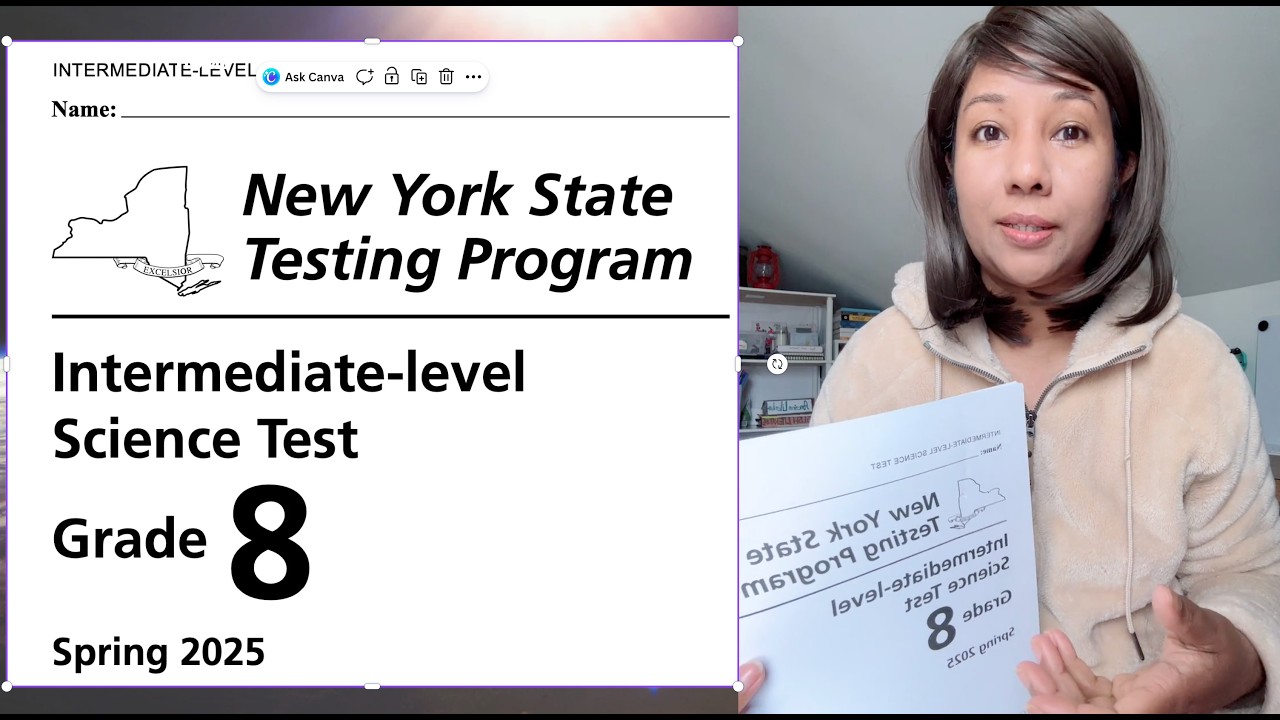
NEW YORK STATE SCIENCE TEST-2025
Prepare your students for success on the New York State Science Test 2025 with this comprehensive and engaging practice resource! This ready-to-use packet is designed to help students review key science concepts, strengthen test-taking skills, and build confidence before the exam.
Grade 8Science
10 Q
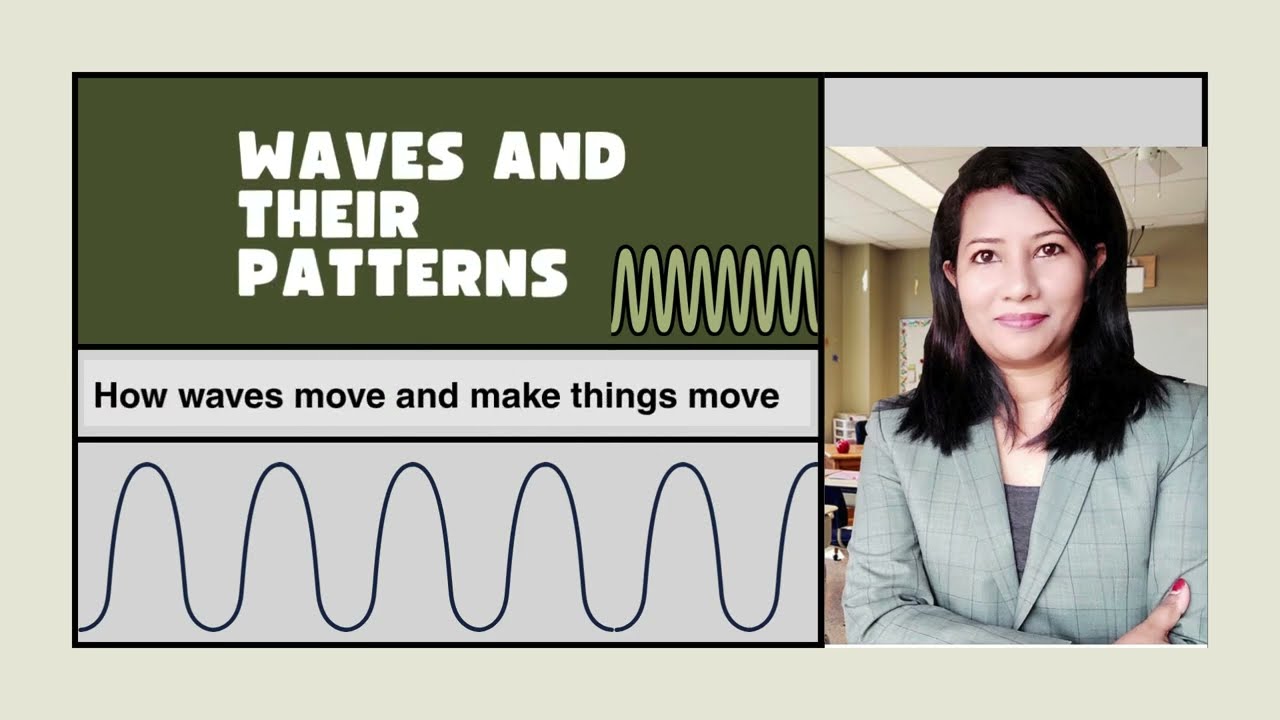
Waves & Patterns
A wave is a way energy moves from one place to another. Waves can travel through water, air, or solids. Ex. Light Waves Ocean Waves Waves have a repeating pattern. This pattern helps us describe how waves move. Parts of a Wave: the highest point of a wave the lowest point of a wave
Grade 7Science
1 Q
CHEMICAL BONDS
Chemical bonds can be generally described as an attraction between two or more atoms. The electrons in atoms are key to the atoms ability to bond.
Grade 8Science
3 Q
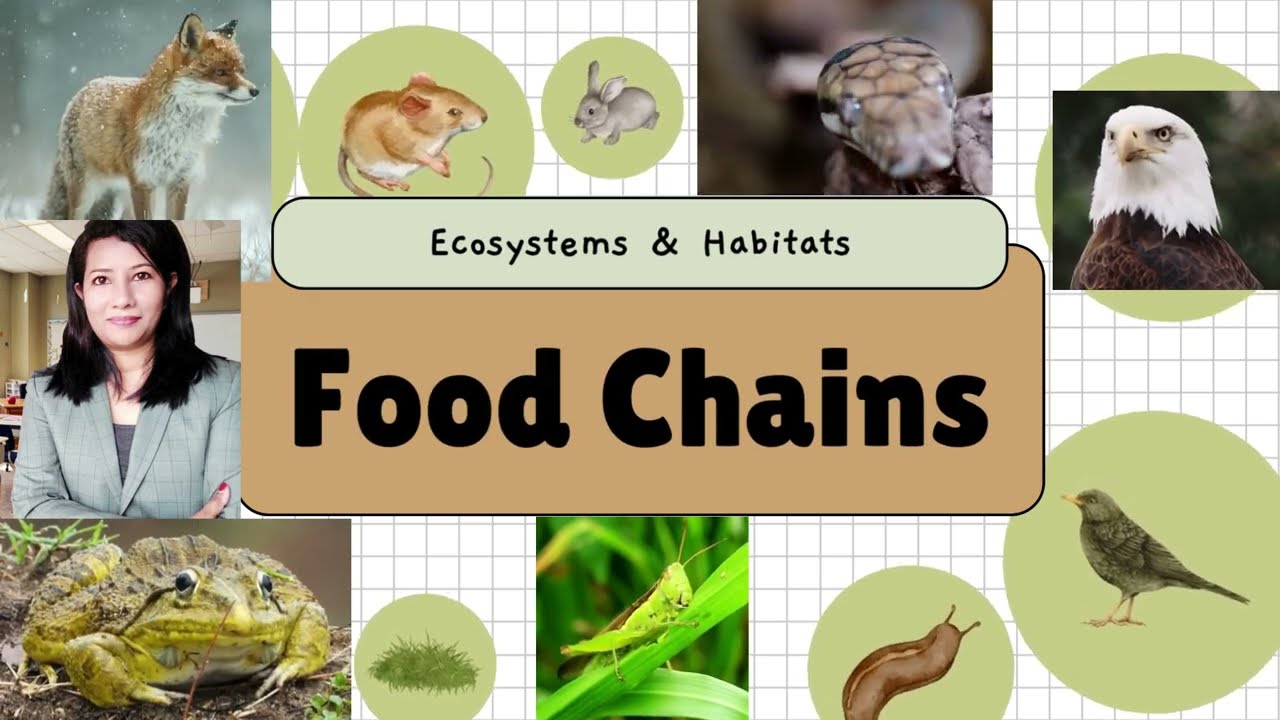
Food Chains
A food chain shows how energy moves from one living thing to another in an ecosystem. It begins with producers, such as plants, which make their own food using sunlight through a process called photosynthesis. These producers are eaten by consumers.
Grade 6Science
10 Q

Exploring Exciting Careers in Biology!
Biology is the study of living organisms, including plants, animals, and microorganisms, as well as their interactions with the environment. People who study biology can work in many different careers, from healthcare and research to environmental protection and education. Biologists may work in laboratories, conduct experiments, or analyze data. Some biologists, like ecologists or wildlife biologists, spend a lot of time outdoors, studying animals in their natural habitats. Others, like bioinformaticians, combine biology with computer technology to analyze biological data. Education is important for a career in biology. Most biologists earn at least a bachelor’s degree, and some pursue advanced degrees like a master’s or Ph.D. Important skills include critical thinking, observation, communication, teamwork, and data analysis. Internships and volunteering provide valuable hands-on experience, allowing students to explore different specialties and decide which career path suits them best. Careers in biology are diverse and offer opportunities to make a difference in science, healthcare, and the environment.
Grade 8Science
10 Q

Evolution & Adaptation
Evolution is the process by which species change over time through adaptation to their environment. Adaptation is a special feature or behavior that helps a living thing survive and do well in its environment. The process where organisms better adapted to their environment tend to survive and produce more offspring. Adaptive radiation is when one species evolves into many different forms to adapt to different environments.
Grade 8Science
10 Q
Lymphocytes //Biology Class// EducatorSharmin
Lymphocytes are a second type of white blood cell. They play an important role in the immune response.
Grade 7Science
4 Q
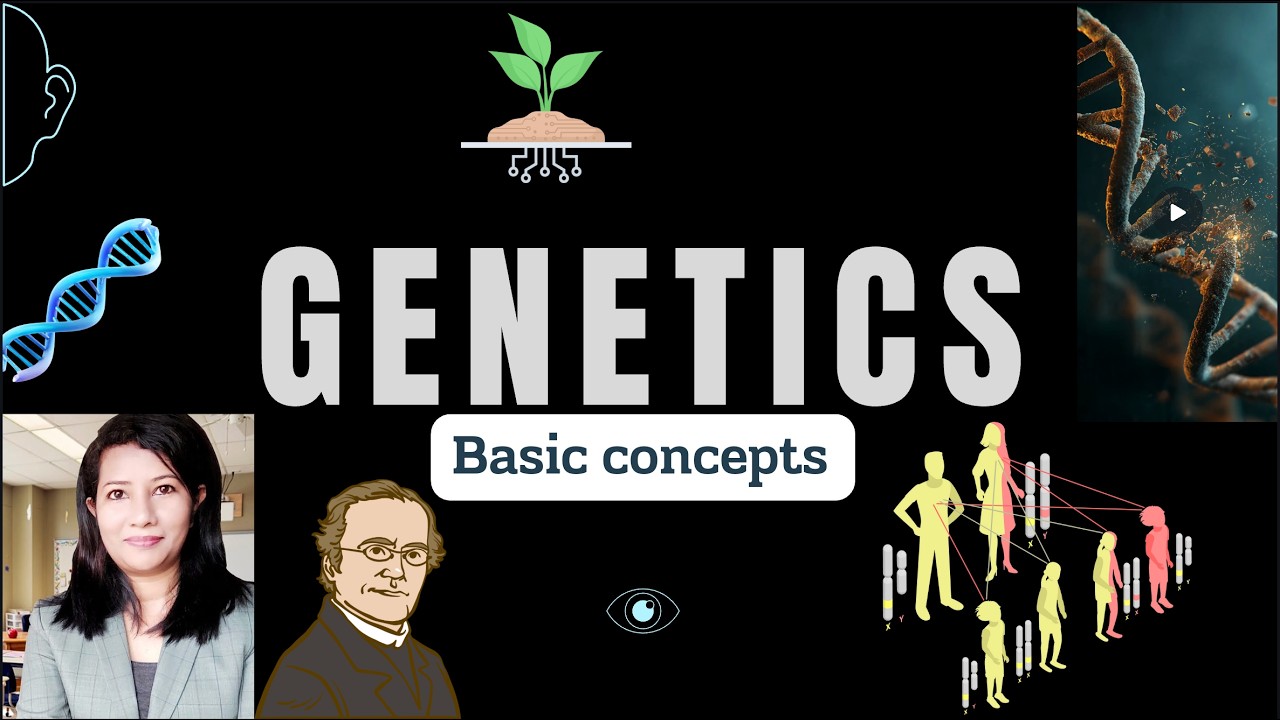
What is Genetics? EducatorSharmin
Genetics is the study of how traits are passed from parents to offspring. Traits are physical or behavioral characteristics such as eye color, hair texture, or blood type. These traits are controlled by genes, which are small sections of DNA found on chromosomes inside the cell nucleus.
Grade 7Science
1 Q